“This post contains affiliate links, and I will be compensated if you make a purchase after clicking on my links.”
Have you and your dog fallen into the habit of doing the same types of activities every day? Maybe a game of fetch in the backyard in the morning, followed by a walk in the afternoon? Physical activity is integral to your pet’s health, but if you’re doing the same activities over and over again, it can get a little boring.
By changing up your dog’s recreational activities, you can find a way to make every day both physically and mentally stimulating for a healthier, happier dog.

Find New Routes to Walk
One easy way to change up your dog’s activities is to find new routes to walk. It’s easy to fall into the habit of walking the same trails daily, but a change of scenery will be refreshing for you both. Look up some local maps, ask other dog owners to recommend their favorite routes, and head out to change up your walking routine.
One of the perks of walking your dog is that it offers both of you great exercise. Finding ways to fit efficient workouts into your schedule is important for your own health, and as your dog keeps you committed to fulfilling his exercise needs, you’re fulfilling your own, too. If you can find some longer walking routes, you can get even more out of your daily walks with your dog, benefitting both your health and your pup’s.
Go Roadtripping and Camping
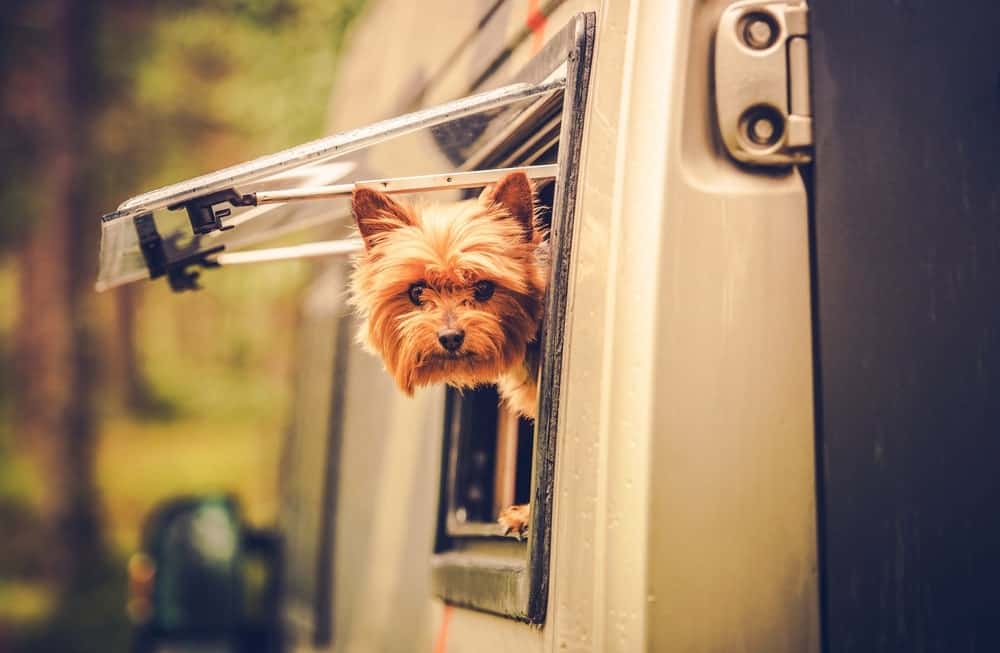
If exploration and adventure are calling your name, consider bringing your dog along for the ride. Taking a road trip or going camping with your dog can be a fun adventure for you both, especially if your pup loves car rides. Consider taking your best friend on your next RV trip so that you can explore new places, hike new trails, and spend some quality time together with your whole family, including the four-legged members.
Before you head out on the road, make sure that your dog’s microchip information is up to date, and equip him with a collar and identification tags, just in case you get separated. If you haven’t traveled with your dog before, take a few shorter road trips before striking out for your big adventure to give your pet a chance to get used to the experience. If you’ll be spending lots of time in the RV or car, you might want to outfit the space with a dog bed and some toys so it’s as comfortable as possible for your pet.
Get Fit With Sports
Getting your dog involved in a new sport can give both of you the chance to get fit together. Sports like agility and flyball will have both you and your dog running around courses. These sports are fun to learn and practice, and they’re equally fun in competition if you decide to compete.
If you’d like to give a new canine sport a try, look for a local group or organization that can help you to get started. Some sports, like agility, require quite a bit of equipment, so being able to access an existing course through a club can save you money and get you started sooner. Plus, having the guidance of experienced handlers and trainers will help both you and your pet to learn the rules and training involved with the sport. When you’re a part of a sporting group, both you and your dog may make new friends, and you might just discover an activity that you’ll come to love for years.
You can even incorporate training into your dog’s activity routine. In addition to training him to compete in a new sport, you can also train your dog to perform new tricks, or take him to an obedience training class so that you can both learn together. As you learn more about how you can train your dog, you can use those skills in other areas, such as in training him to better deal with the stress of fireworks.
Make Sure Dogs Are Welcome
In trying to vary your dog’s activities, you might be tempted to head to some new locations, but do a little research first to make sure that dogs are allowed. Some beaches allow dogs only at certain times of the year, and parks and wildlife management areas usually have strict rules that dogs must be leashed at all times.

Remember that you also need to respect “no dogs allowed” rules when it comes to entering businesses, restaurants, and other public spaces. While a business may welcome service animals, service dogs are highly trained and fulfill a certain need for their owners. Emotional support dogs and pets don’t meet these qualifications and they don’t receive the same protections under the Americans With Disabilities Act. To be safe, don’t bring your dog into any business unless the business has a policy of welcoming all dogs.
With a little creativity, you can vary your dog’s activities so that they’re both mentally and physically stimulating. This could be the start of a fun adventure that will change both you and your pet’s outlook on life.
Jori Hamilton is a writer from the pacific northwest. You can follow her on twitter @Jori Hamilton and see more of her work at writerjorihamilton.contently.com.