“This post contains affiliate links, and I will be compensated if you make a purchase after clicking on my links.”
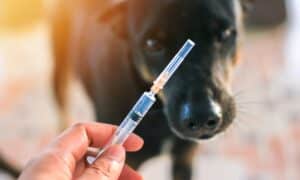
THe DHPP vaccine for dogs is given to protect against 5 serious diseases. This is given to dogs as early as 6 weeks old. And it should be given every two or four weeks until they are 16 weeks old.
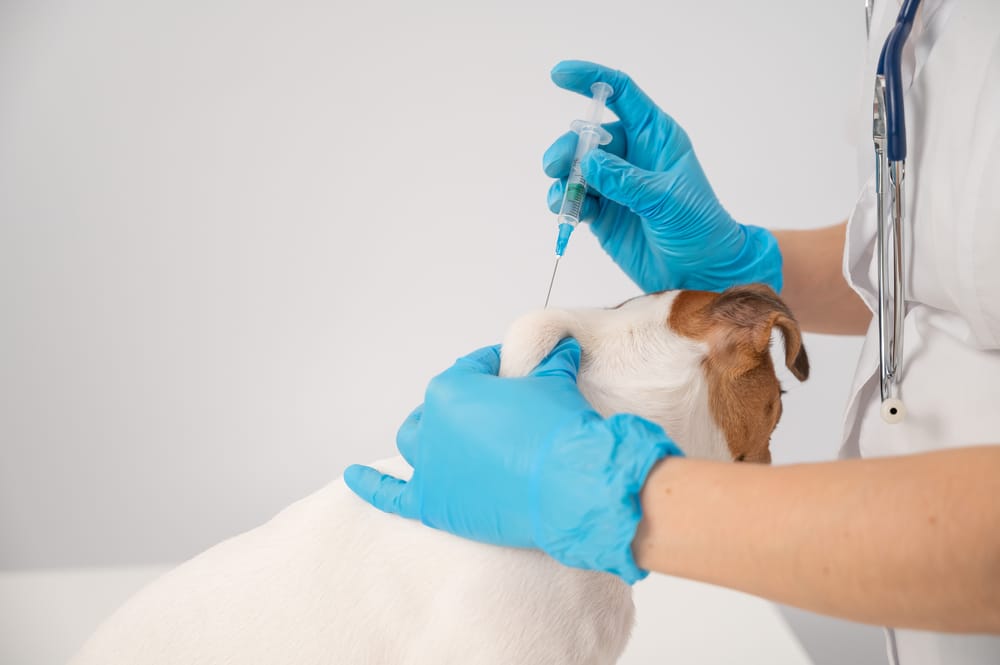
The initials of DHPP stand for each of the diseases that this vaccine prevents:
- Distemper
- Hepatitis (Canine Hepatitis and Canine Adenovirus)
- Parvo
- Parainfluenza
DHPP is commonly known as the Canine Distemper vaccine. This is the most typical combination vaccine given to dogs.
Some combinations, such as DHLPP, DHLPPC, DA2LPPC, 6-Way, and 7-Way or 7-in-1, also include protection against corona virus and the leptospirosis bacteria.
Corona virus is a disease that affects only young puppies and causes gastrointestinal upset. Vaccine for this is not essential. And there is no reason to include protection against corona in the DHPP vaccine.
Furthermore, vaccine for leptospirosis should never be given in combination with other vaccines.
What does the DHPP vaccine for dogs protect against?
The DHPP vaccine protect against the following: Distemper, Canine Hepatitis, Canine Adenovirus, Parvo and Parainfluenza. But the two most important protection it provides is against distemper and parvo.
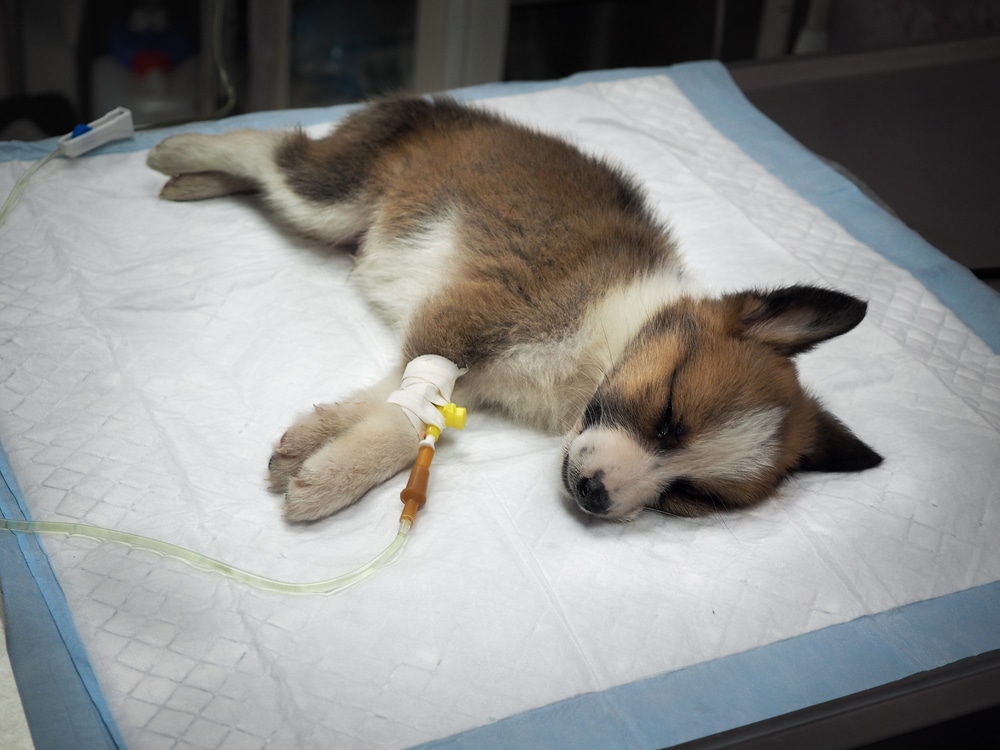
Distemper initially causes flu-like symptoms (runny nose, fever). And it results in severe neurological symptoms (such as pain when touched and seizures), and often ends in death. Early detection of this disease can help save your dog’s life.
Due to the deadly course of distemper, the DHPP vaccine for dogs is considered essential.
Meanwhile, Parvo virus causes vomiting and diarrhea. And the diarrhea quickly turns bloody. Preventing this disease with immediate hospitalization and intensive care (sometimes including blood and plasma transfusions) helps dogs survive.
Parvo is a very serious disease and often results in death, especially in young puppies.
How can my dog contract parvo and distemper?
Parvo is contracted by contact with the virus. Most commonly, it is shed in the stool of an infected dog. And the virus is extremely hardy. It can survive in grass and on other surfaces for years.
Meanwhile, distemper is airborne like the common cold. It can be passed by a sneezing dog, sharing a bowl with an infected dog, or being kenneled near an infected dog.
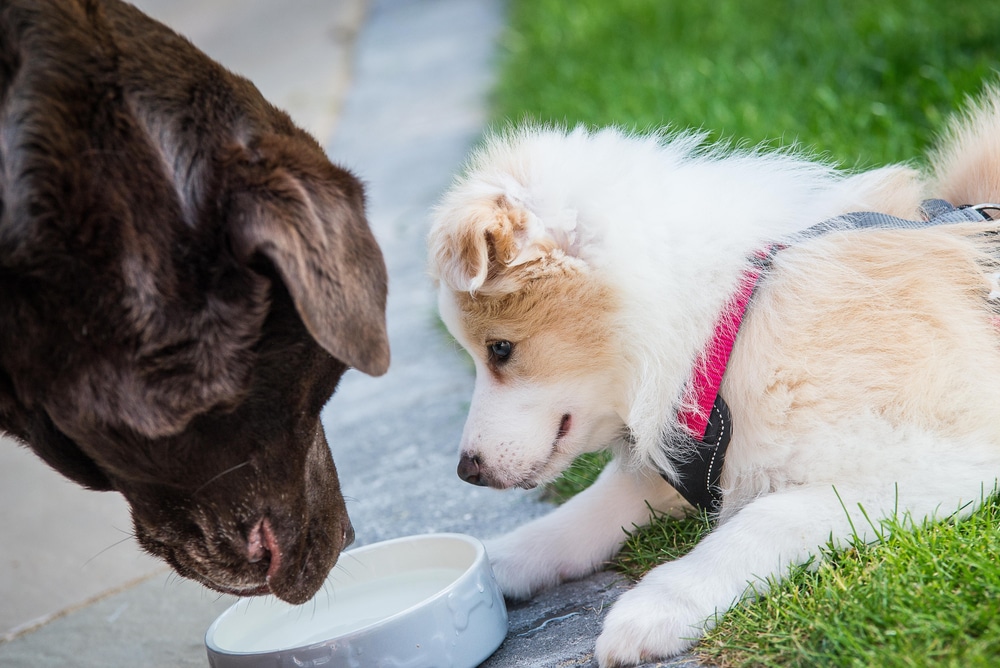
In addition to that, dogs that frequent dog parks, dog shows, boarding facility, and day-care facilities may also be at an increased risk to parvo or distemper. So it’s best to get the DHPP vaccine for dogs.
Does my dog need a DHPP vaccine?
Shortly after puppies are born, they receive immunity to many diseases from their mother’s milk (called colostrum). But as the puppy matures, this immunity fades.
That’s why getting them vaccinated is essential and actually supports their wellness.
When should I get the DHPP vaccine for my dog?
Typically, the DHPP vaccine for dogs should be given between the ages of 6 to 10 weeks old.
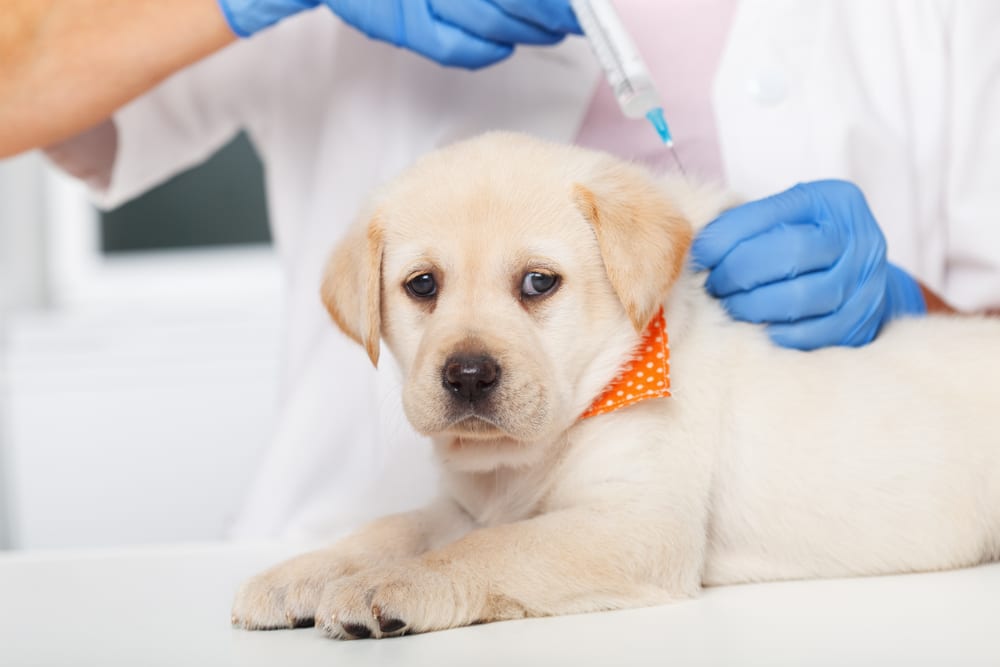
Some toy breed dogs may not start vaccinations until 12 weeks of age due to their small size. But generally, puppies should receive a vaccine every three weeks until they are 16 weeks of age.
The final vaccine should be given at or after 16 weeks of age. A minimum of two vaccines must be given to puppies for the best protection. And depending on when the puppy’s vaccine series begins, they may receive 2-4 vaccinations in total.
DHPP vaccine for adult dogs
For adult dogs, their risk level of being exposed to distemper and parvo when deciding on boosters should be considered.
All dogs are recommended to receive a distemper/parvo booster a year after completion of their puppy series. After that, extremely low risk dogs may be tittered annually or as recommended by their veterinarian.
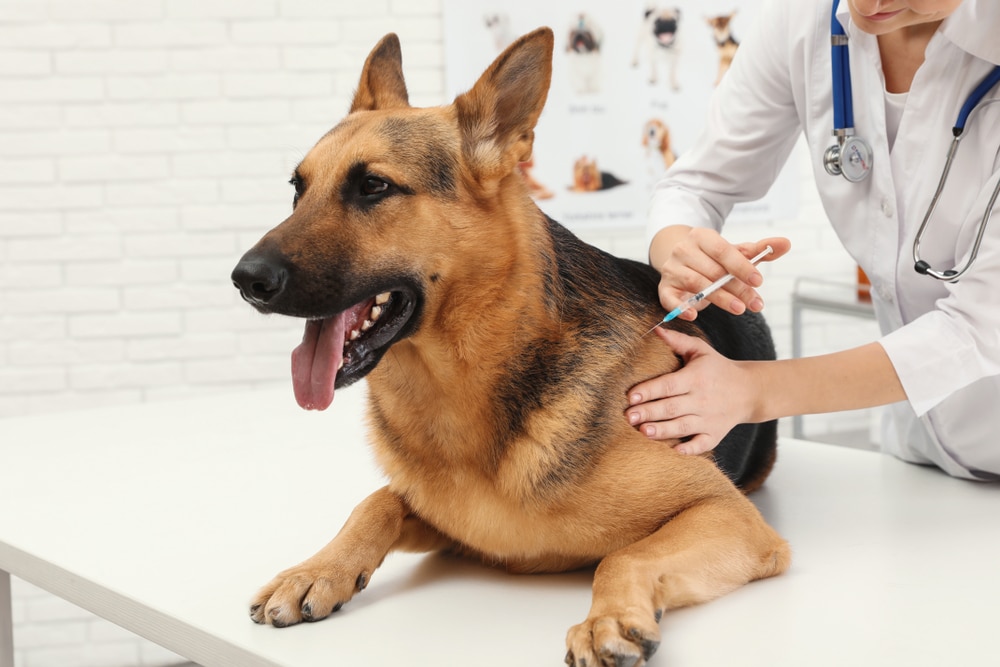
Animals that are at risk may be vaccinated every three years following the initial one year booster. For animals that fall in the middle, consider vaccinating every 3-5 years. And as always, discuss your dog’s risk level with your veterinarian.
It is worth noting that if parvo or distemper are not common in your area, the vaccines may be given less often.
Conclusion
The DHPP vaccine for dogs is the best way to prevent a lot of dangerous diseases. It protects your fur baby from a young age. And helps them lead a healthy and happy life.
If unsure, you can always ask your vet for the best advice and vaccination schedule for your dog.