“This post contains affiliate links, and I will be compensated if you make a purchase after clicking on my links.”
Dog diarrhea is not a disease itself. Rather, it’s a symptom of other diseases and health issues, especially to you dog’s gastrointestinal system.
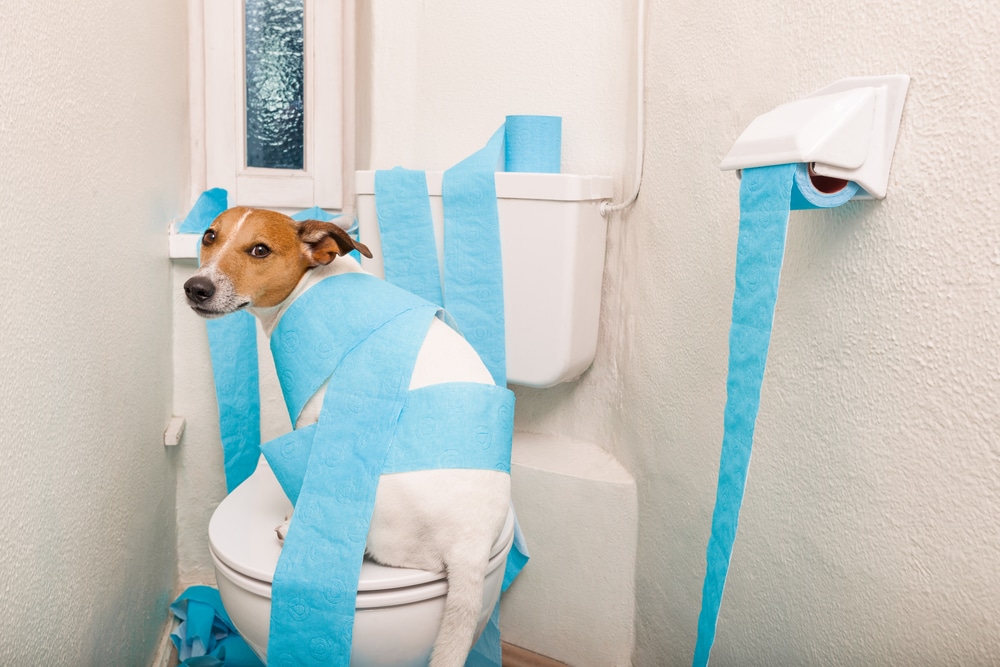
Diarrhea is the frequent passing of unformed and increased volume of stool. And there are many causes for this, such as:
- Diet
- Drinking milk (Lactose intolerance)
- Eating garbage
- Infection (viral or bacterial)
- Worms
- Parasites such as Giardia & Coccidia
- Bowel disease
- Poisoning
- Cancer
- Blockage (foreign object)
- Pancreatitis
- Kidney disease
- Liver disease
- Intussusception (telescoping of the bowel on itself)
- Hormone imbalance
- Exocrine Pancreatic Insufficiency
Chronic dog diarrhea
In general, dog diarrhea can be life threatening. And if they haves chronic diarrhea then medical advice should be sought.
Chronic means continuing for a long time, lingering or persistent. So, always check with your veterinarian if diarrhea is severe or persistent.
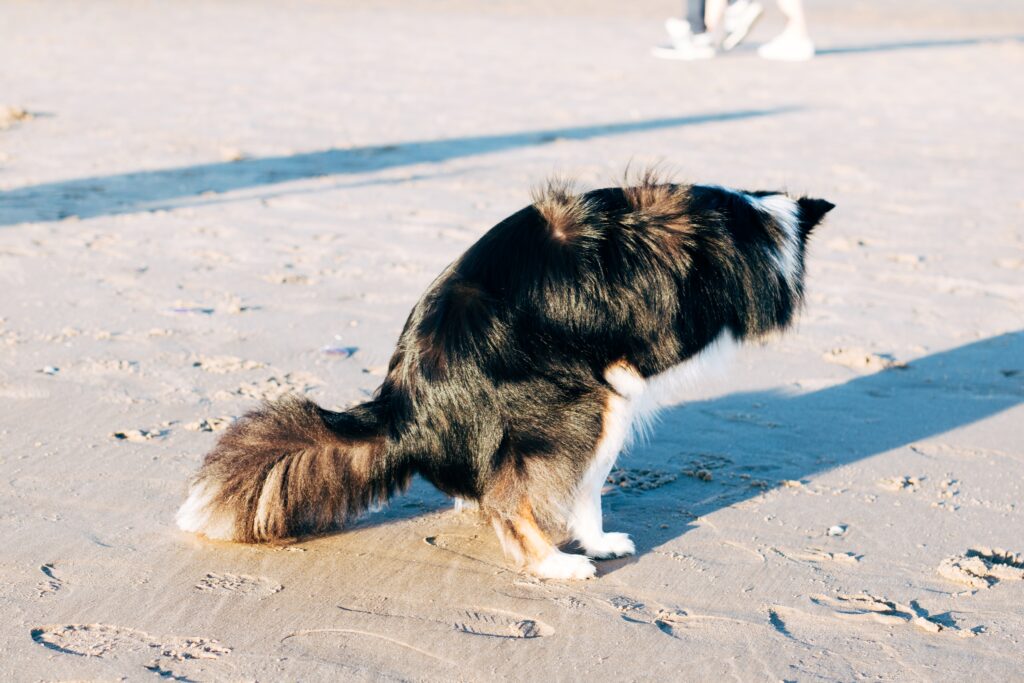
If your dog has any of the following symptoms along with foul-smelling diarrhea, please seek immediate veterinary advice:
- Fever
- Pain
- Vomiting
- Blood in the diarrhea
- Lethargy or depression
- Weight loss
- Dehydration
- Loss of appetite
- Any other sign of illness
Acute dog diarrhea
Many dogs, like humans, may occasionally suffer from an acute bout of diarrhea. Acute means coming on suddenly and lasting no longer than a few days.
If your dog is well and has no other symptoms other than a loose bowel motion, there is no need to worry.
Causes and treatment of dog diarrhea
1. Dehydration
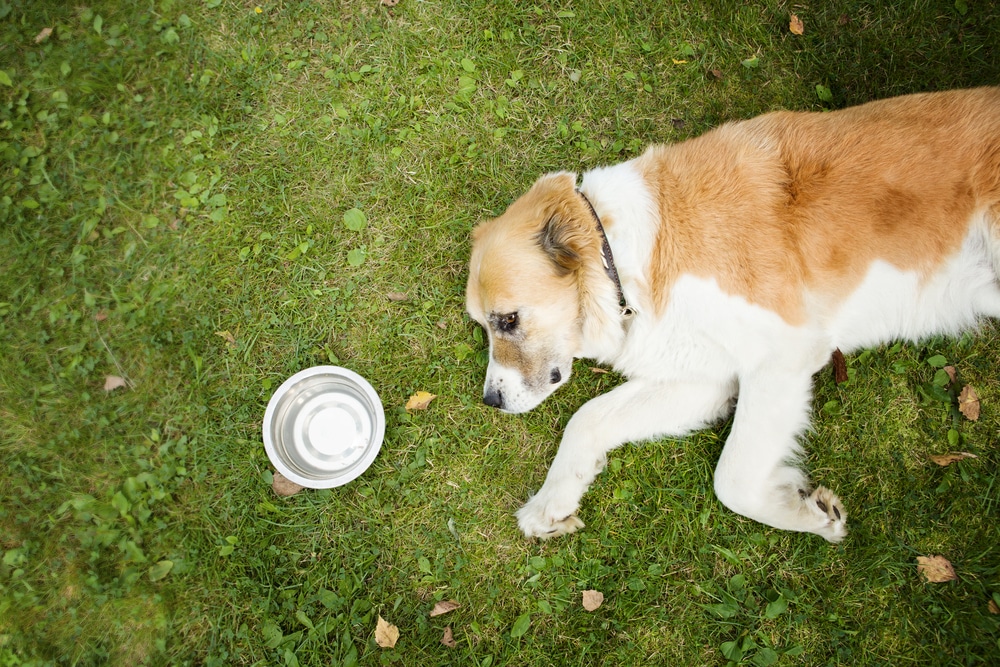
Your dog loses a lot of water from frequent passing of stool. So, watch your dog for symptoms of dehydration. Sticky or dry gums can often indicate dehydration.
How to treat dehydration?
Encourage him to drink plenty of water or you can give him Lectade. Lectade is an oral re-hydration therapy for cats and dogs. It can be used to reverse the effects of dehydration and loss of electrolytes following diarrhea.
In the first 24 hours, this should be given at the rate of 8-30 mLs every half hour by mouth. Remember that a small toy dog would require 8 mLs and a large dog would require 30 mLs.
2. Changes in diet
If the diarrhea has come on suddenly, consider if you have made any changes to his diet.
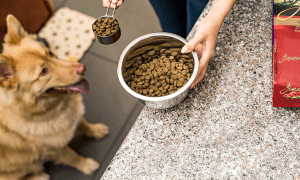
Often, cheaper brand dog foods can cause diarrhea as can a sudden change in diet. Cheaper dog foods are bulked out with vegetables and carbohydrates which pass straight through your dog. Furthermore, this may ultimately cost you more with higher vet bills.
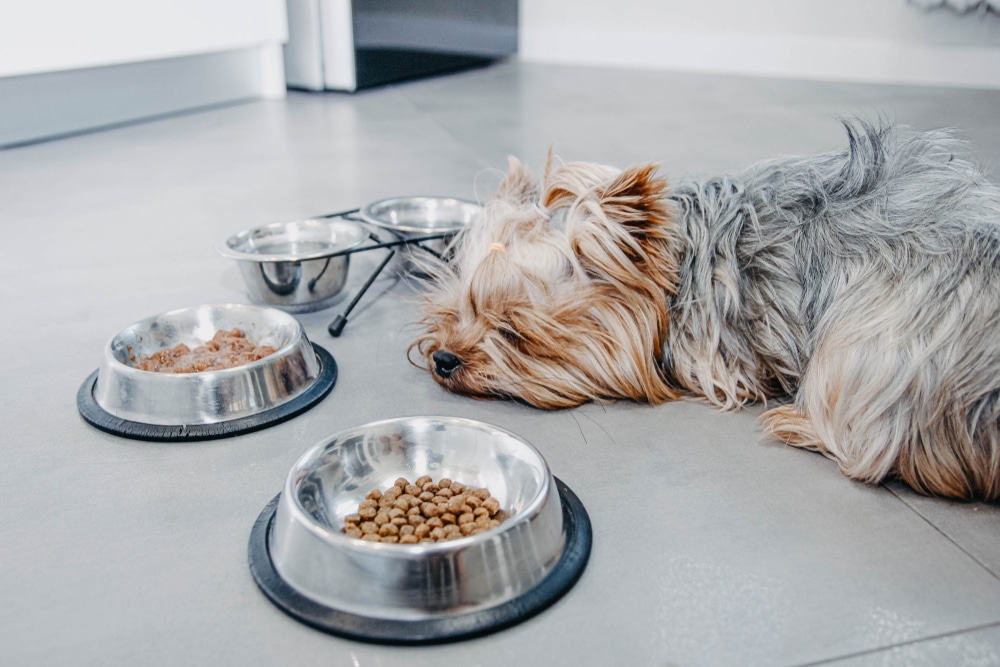
Dog diarrhea can also be caused by lactose intolerance. Dogs and puppies do not need to be given milk to drink. In addition to that, it’s not advised to feed dogs people food. Especially spicy food.
How to treat dog diarrhea after a change of diet?
The rule of thumb is, if you put rubbish into your dog, rubbish will come out of your dog. So provide your dog a good high quality diet. Feed your dog the best possible food that you can afford.
3. Worms
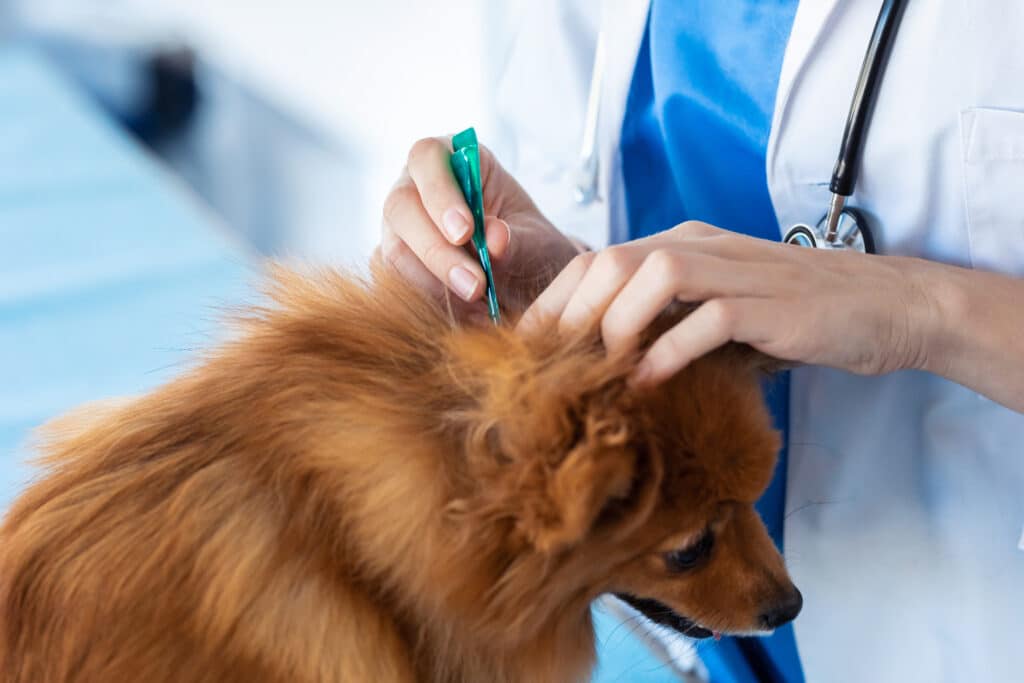
Worms, such as roundworm, hookworm, whipworm and tapeworm can cause dog diarrhea.
How to treat worms?
Ensure your dog is getting their deworming medication as scheduled.
4. Viral infections
There are a number of viral infections that can cause dog diarrhea, such as:
Parvo virus
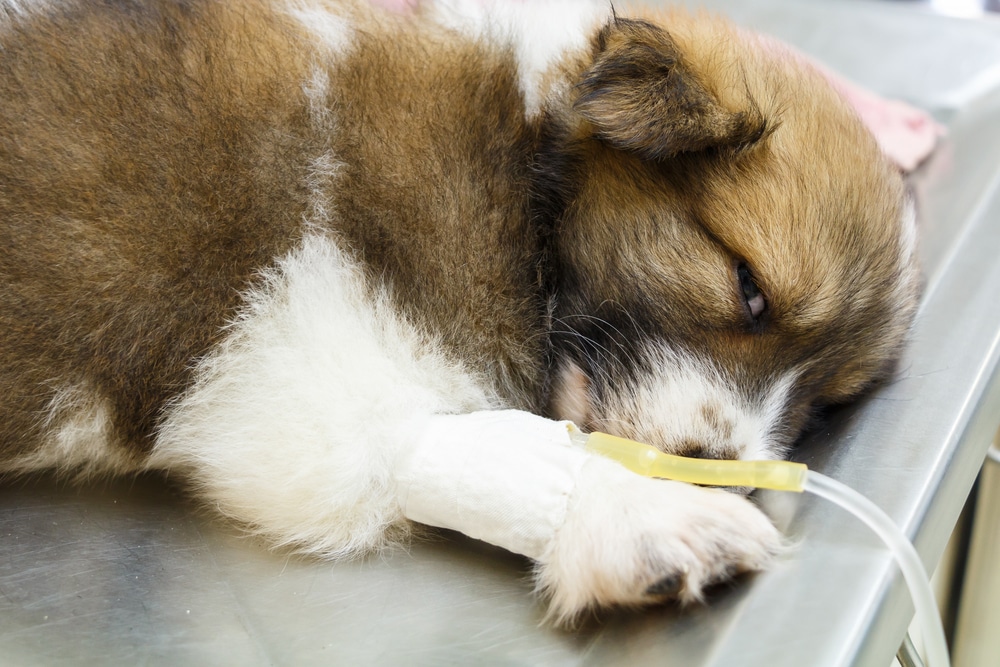
Parvovirus enteritis is a highly contagious, viral disease which can be fatal. Symptoms include vomiting, bloody diarrhea, dehydration, blood in feces, lethargy and unwillingness to eat. And puppies are often the most severely affected.
How to treat parvovirus?
If a dog has parvovirus, veterinary treatment must be sought. Treatment of parvo may consist of IV fluids, anti inflammatory drugs, antibiotics and anti-spasmodic drugs.
Distemper
Canine Distemper is also a highly contagious viral disease which is often fatal. And diarrhea is one of its many symptoms.
How to treat distemper?
Treatment of canine distemper is made through a combination of supportive care and efforts to prevent secondary infections.
5. Bacterial infections
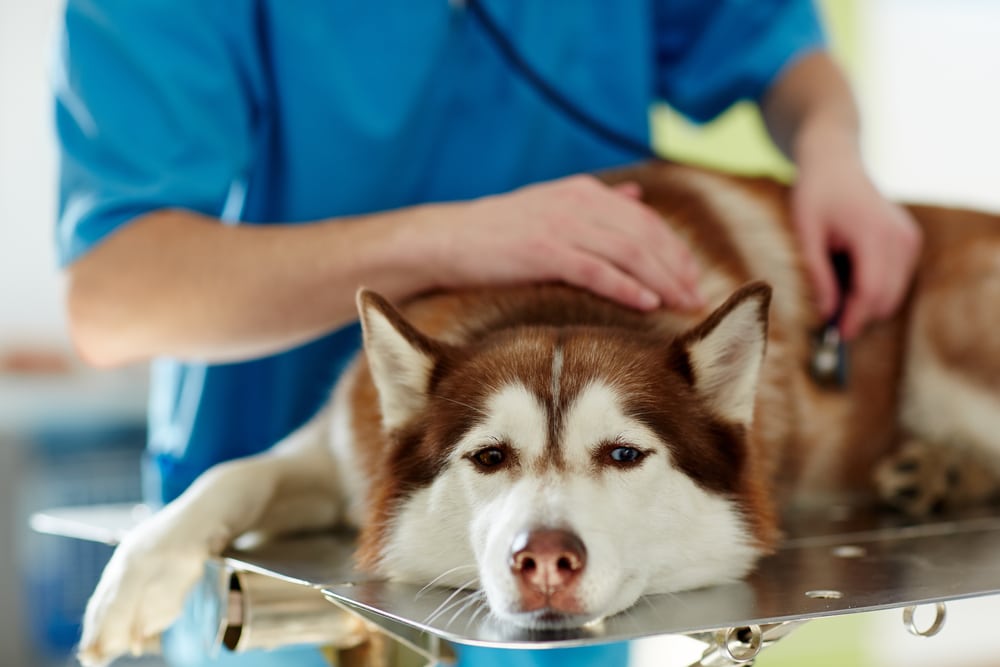
Bacterial infections such as E. coli, Campylobacter jejuni and Salmonella varieties can cause severe abdominal pain. And they’re often accompanied with blood in diarrhea.
How to treat bacterial infections?
Discuss your options with a veterinarian in order to determine your best course of action.
6. Parasites
Coccidiosis
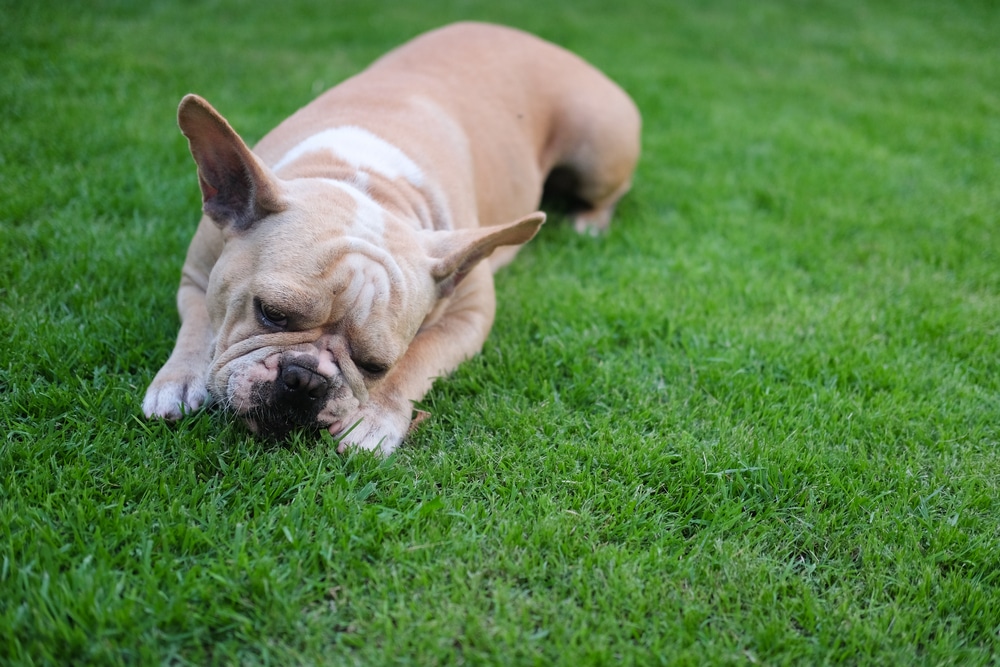
Coccidiosis is very common problem, especially among puppies. And dog diarrhea is the main sign of this problem. Usually, the blood and mucous in the diarrhea is a common symptom.
How to treat Coccidiosis?
Your vet may prescribe Sulfa antibiotics once your dog gets infected by this parasite. This will not kill the organism. But it will keep it in check until your puppy develops a good level of immunity.
Giardia
Giardia is a waterborne protozoa which is difficult to detect from stool samples. Symptoms in puppies and dogs include diarrhea with mucus and having a pale greasy appearance.
The diarrhea may be greenish or yellowish. And there may also be blood in the diarrhea. Furthermore, the diarrhea can be explosive and foul smelling.
Other symptoms are weight loss, abdominal pain, vomiting, poor appetite, excessive grass eating, and excessive gas.
How to treat Giardia?
When this happens, you must seek veterinary advice. Treatment usually involves a drug called Metronidazole (Flagyl) which is an anti-protozoal. This drug can be used alone or in combination with another similar drug called Fenbendazole.
Cryptosporidia
Cryptosporidia is a single cell parasite which can cause poor appetite, weight loss and diarrhea in dogs and puppies.
How to treat Cryptosporidia?
Discuss your options with a veterinarian in order to determine your best course of action.
What you can do at home for a dog with diarrhea
Withhold food, but not water, for 24 hours for adult dogs and 12 hours for young puppies. This will give your dog’s digestive system a rest.
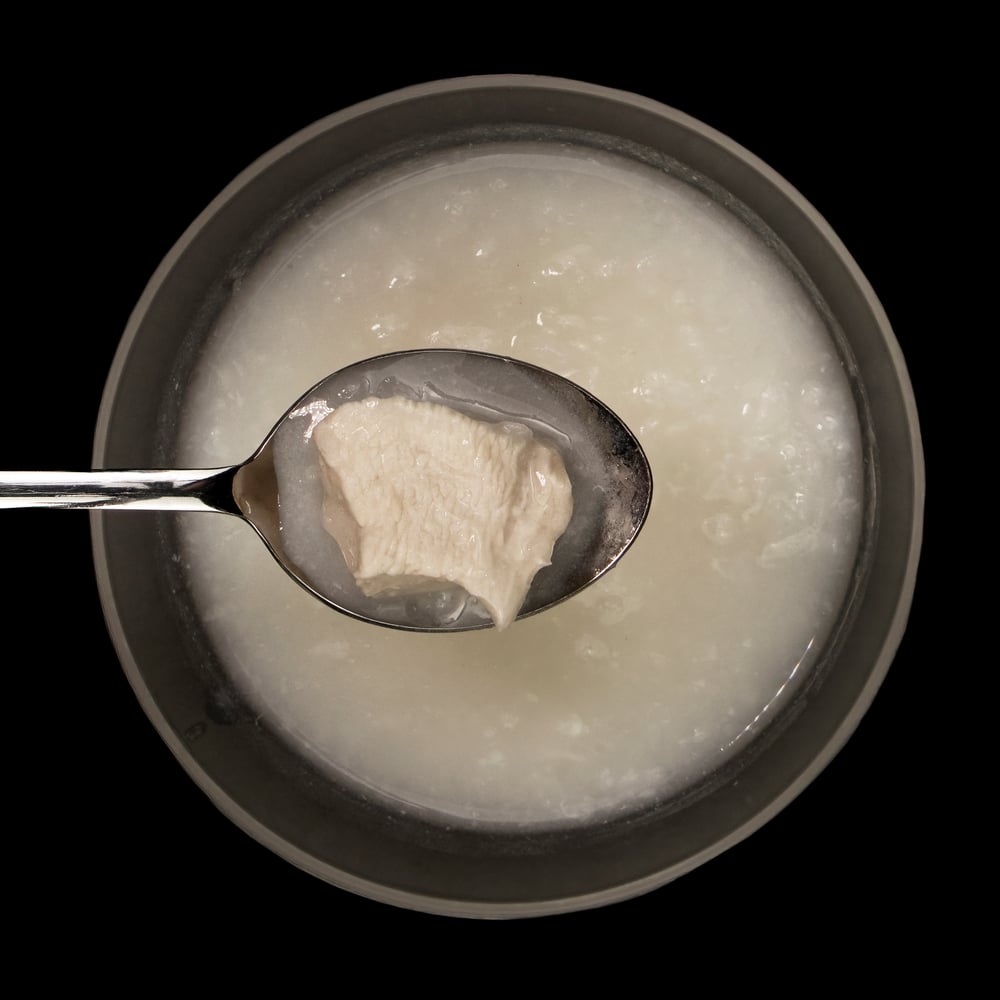
Then feed him a bland diet of 50% boiled rice and 50% chicken for the next two to three days. If the diarrhea doesn’t go away, seek immediate advice from your veterinarian.
Pumpkin for dog diarrhea and constipation
It has been reported that freshly cooked, mashed or natural canned pumpkin can work wonders for both acute dog diarrhea and constipation.
It has been reported that it firms up a dog’s loose stools or diarrhea within a few hours.
How much pumpkin should you give your dog?
It depends on the size of the dog. But as a rule of thumb, a couple of teaspoons daily for a small dog or a couple of tablespoons for a large dog. And you may have to disguise it in you dog’s favorite food.
Conclusion
As you can see, there are many causes of diarrhea in dogs and puppies. And it can be dangerous since it can be a sign of other diseases and health concerns.
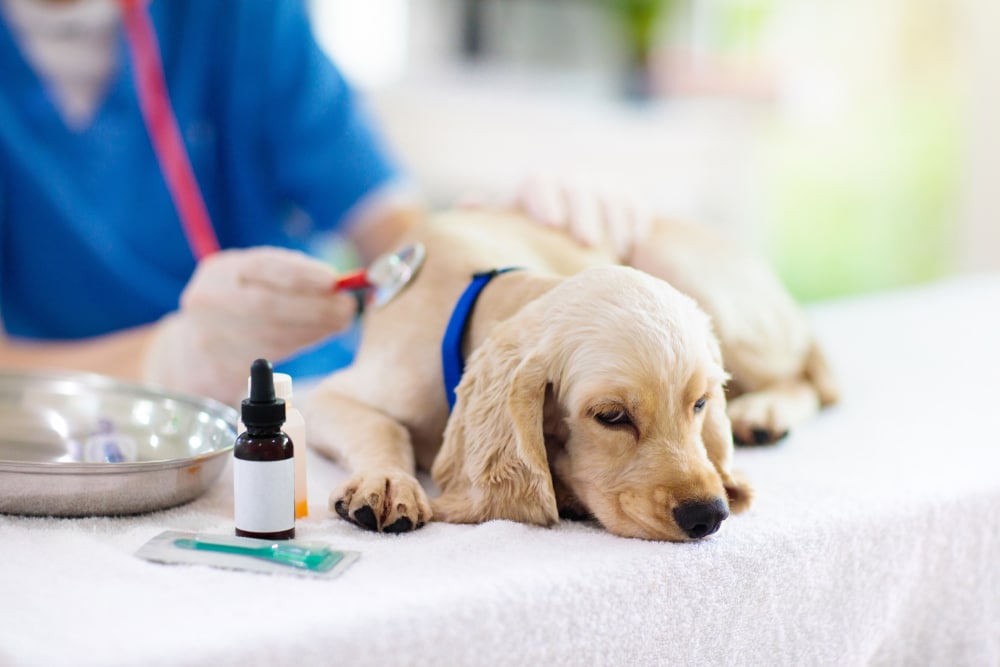
If your dog is showing signs of diarrhea along with other symptoms, it’s best to act fast. And immediately seek advice and medical care from your veterinarian.