“This post contains affiliate links, and I will be compensated if you make a purchase after clicking on my links.”
Did you know that for each calendar year, a dog ages the equivalent of 10 human years? Whereas another dog ages only 5 human years? And that the oldest recorded dog age in human years is 30 years old?
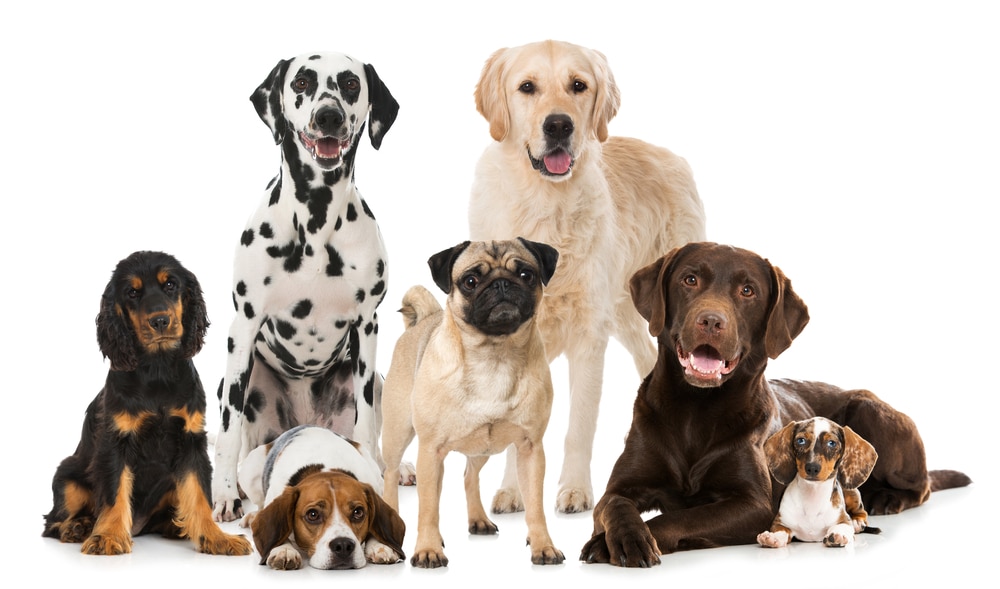
Certainly, some dogs will live much longer and age much more slowly than others. But how do we determine dog age in human years? Well, we can do this by considering the following key factors:
- The size of the dog. Generally, small dogs live much longer. On average, their life span is 1.5 times that of a large dog.
- Dog breed. This is a strong indicator of a dog’s life expectancy. In part, this is related to the above factor. Large breeds generally have a shorter lifespan.
However, even within the same weight category, some breeds live longer than others. For example, a Doberman Pinscher can easily reach 15 years old. And sometimes 20, despite the fact that it’s a large dog (about 35 kg. or 77 pounds). Whereas, the smaller Boxer is lives shorter and often does not reach 10 years old. - Gender: Like us humans, females live longer than males on average. That’s why when determining the dog age to human age, female dogs can age one to two years longer, depending on the breed.
- Neutering. Neutered dogs tend to live longer than intact dogs. This is mainly due to a reduced risk of cancer. This is because cancer of the sex organs are often related to sex hormones, which are diminished by neutering.
Current research indicates that the sooner the neutering is done, the lower the risk of these cancers. - Living conditions. Dogs which are properly feed and kept, on average, live longer than those that are not. And in extreme cases, much longer. Important factors are: diet, exercise, living conditions, and medical attention.
- Individual characteristics. Just as some people are born with a strong and healthy body, so are some dogs.
Childhood vs Maturity
It is often said that people live 7 times as long as dogs. And one year of a dog’s life is equal to seven years of a human’s. However, this is inaccurate for two reasons:
- The longest-lived breeds’ average lifespan is double that of the shortest-lived breeds’. So, one can only map years after considering the breed and other key factors.
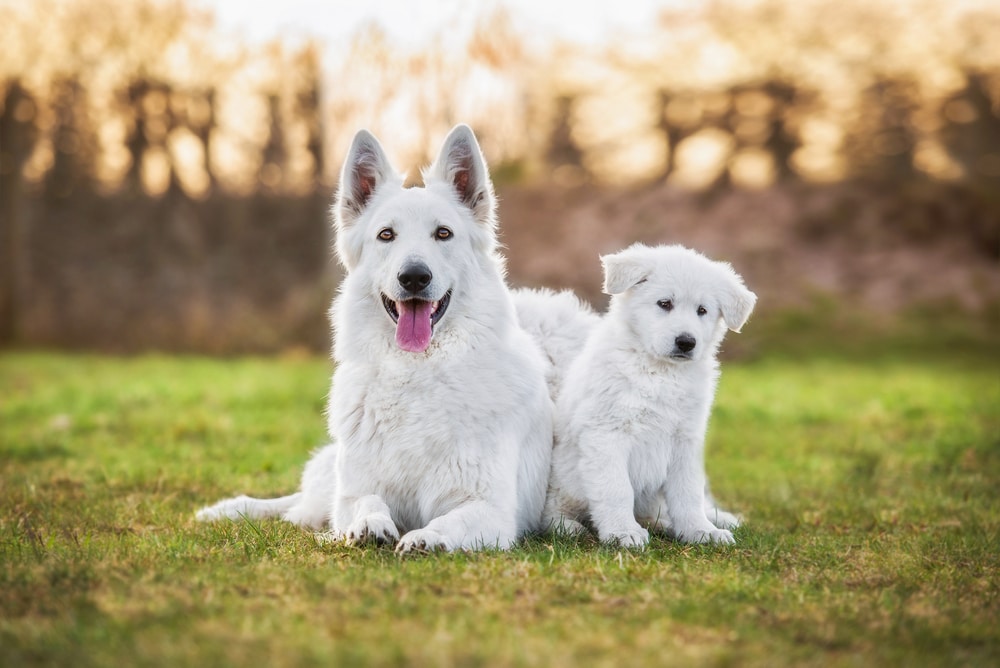
- Most breeds, especially the smaller ones, have a relatively short childhood compare to humans. A small dog with an expected lifespan of 15 years would be mature, sexually and physically, within 1 year. In comparison of the dog age in human years, a man with an expected lifespan of 75 years would have the equivalent maturity at 15 years old. While one can say that the man is living 5 times as long as the dog, and each dog year is equal to 5 human years, the dog’s first year sees the same amount of development as in the first 15 or so human years.
For these reasons, a lot of factors need to be considered in order to get an accurate calculation of dog age in human years.
Dog age in human years converter table
With the above factors in mind, different dog weight and the rate at which they reach a certain age is calculated and shown in the below table.
| Calendar years | Under 20 lbs (9 kg) | 20-50 lbs (9-23 kg) | 50-90 lbs (23-41kg) | Over 90 lbs (over 41 kg) |
| 1 | 15 | 15 | 14 | 12 |
| 2 | 23 | 24 | 22 | 20 |
| 3 | 28 | 29 | 29 | 28 |
| 4 | 32 | 34 | 34 | 35 |
| 5 | 36 | 38 | 40 | 42 |
| 6 | 40 | 42 | 45 | 49 |
| 7 | 44 | 47 | 50 | 56 |
| 8 | 48 | 51 | 55 | 64 |
| 9 | 52 | 56 | 61 | 71 |
| 10 | 56 | 60 | 66 | 78 |
| 11 | 60 | 65 | 72 | 86 |
| 12 | 64 | 69 | 77 | 93 |
| 13 | 68 | 74 | 82 | 101 |
| 14 | 72 | 78 | 88 | 108 |
| 15 | 76 | 83 | 93 | 115 |
| 16 | 80 | 87 | 99 | 123 |
| 17 | 84 | 92 | 104 | |
| 18 | 88 | 96 | 109 | |
| 19 | 92 | 101 | 115 | |
| 20 | 96 | 105 | 120 |
Note that the above table is based on averages. However, considering the additional factors discussed above would give a more accurate calculation for dog age in human years.
Total years vs Healthy years
When asking how to find out dog age in human years, we should keep in mind the difference between total years and total healthy years.
Some dogs will be healthy and active almost all their lives. While others may suffer from diseases which shortens their healthy, active and productive years.
Although one cannot predict the health of a dog, their general health and lifespan can increase through our careful selection and proper care. Your vet, and perhaps your local kennel club, can advise on the following considerations:
1. Breed health
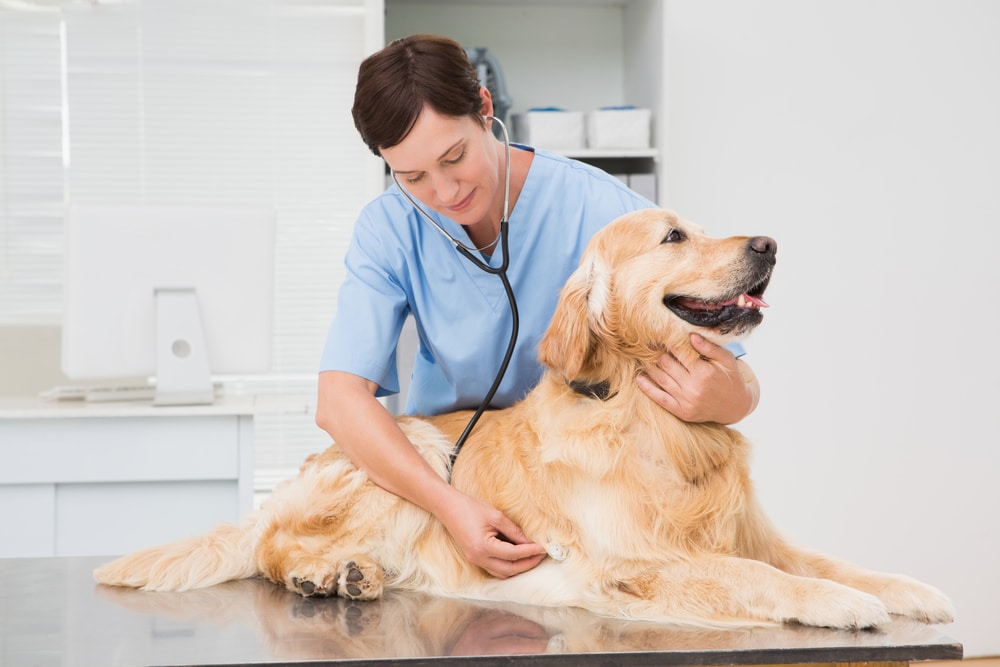
Some breeds are generally healthy while others are known to be prone to certain diseases (e.g. hip dysplasia, brain tumours, skin allergies).
If you have not yet decided on a specific breed, you can discuss with your vet the various breeds you are considering and their outlook. Mixed breeds tend to be healthier (due to greater genetic diversity) than pure breeds.
Considering breed lifestyle
Each of the breeds have been developed with a specific purpose in mind. Some are bred to be sheep herders, some as family pet.
We should keep in mind the dog’s purpose and the way you’ll maintain its lifestyle. In general, working dogs need lots of space and exercise. Without this, they will suffer mentally and physically.
On the other hand, an outside house dog may suffer diseases such as arthritis. And sometimes, early death due to severe outside conditions.
2. Breeder
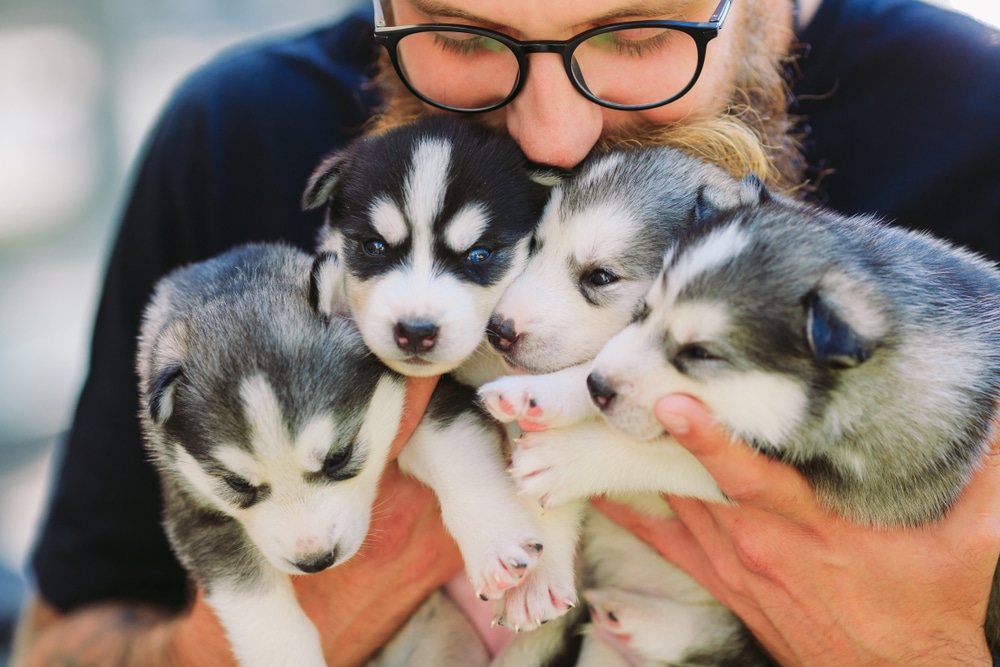
Due over-breeding problems in many countries, it’s frequently the case that the most popular breeds are the least healthy. Unethical breeders will breed dogs without consideration of their health. But respectable breeders will have their dogs professionally examined before breeding from them.
Consequently, purchasing a dog from a respected breeder, while likely more expensive initially, can save a lot of heartache and medical expenses.
3. Diet

Although dogs have different nutritional requirements than people, their lifespan will improve with a well-balanced diet. That means, the dog age in human years will probably be longer.
A dog’s requirements will depend on its age, breed and lifestyle. And very active dogs need a higher proportion of carbohydrates than less active dogs.
4. Exercise
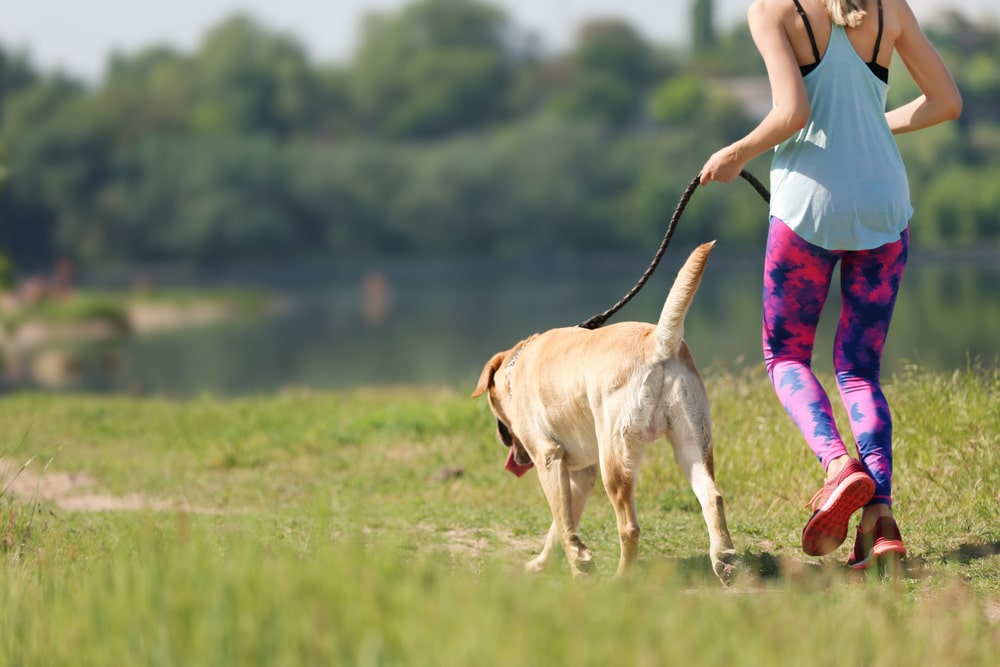
All dogs require regular exercise several times a week. The amount and type of exercise will depend on the breed and other factors.
Herding breeds generally require much more physical exercise, for both their physical and mental health. It is possible to over-exercise a dog. Particularly if it is very young, old or if the weather is hot. But this is rare.
In addition to physical exertion, exercise should also involve a certain amount of mental stimulation. Varying the route of the daily walk, play time or training will all provide this.
5. Living conditions
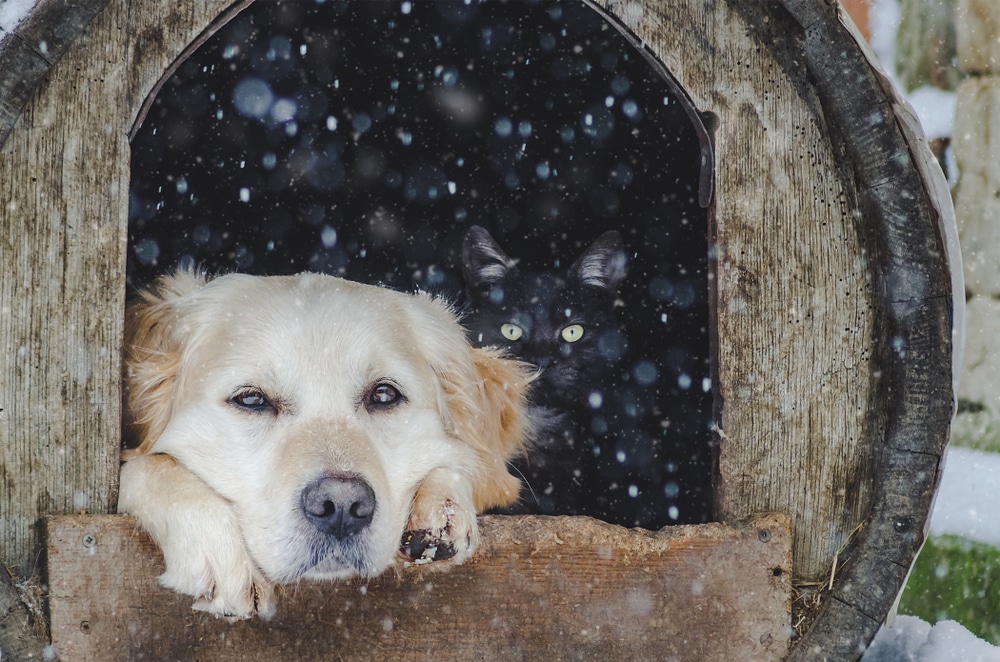
Dogs kept outside in poor living conditions are prone to early illness. Therefore, the dog age in human years will be shorter than others.
That being said, what is suitable for one dog may not be suitable for another. For example, certain long-haired dogs have been breed for very cold conditions. While others, such as the Newfoundland, can easily handle extremely wet and cold conditions.
6. Medical attention
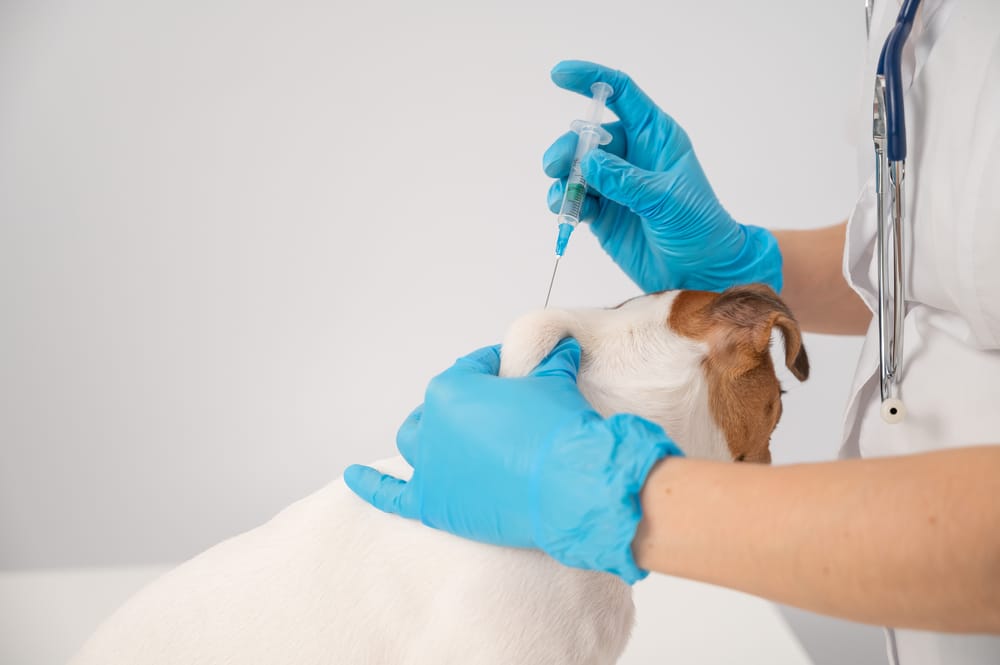
Dogs should have vaccination against common canine diseases. In some parts of the world, the presence of certain deadly parasites, like heart worm, require vaccination against infection of these diseases.
Finally, like people, dogs periodically require medical treatment for illness or injury, especially as they get older. The older the dog age in human years, the more reason to seek immediate medical attention.
Conclusion
It is pretty common to calculate dog age in human years. And there are a lot of factors to consider to do determine this.
And with these key factors, you can understand how old your dog is. Furthermore, it helps you properly care for them as they grow older.