“This post contains affiliate links, and I will be compensated if you make a purchase after clicking on my links.”
Dogs can acquire a Urinary Tract Infection (UTI) when bacteria invade their urinary tract system. And the most common type of Urinary Tract Infection in dogs is acute cystitis. This is often referred to as a bladder infection.
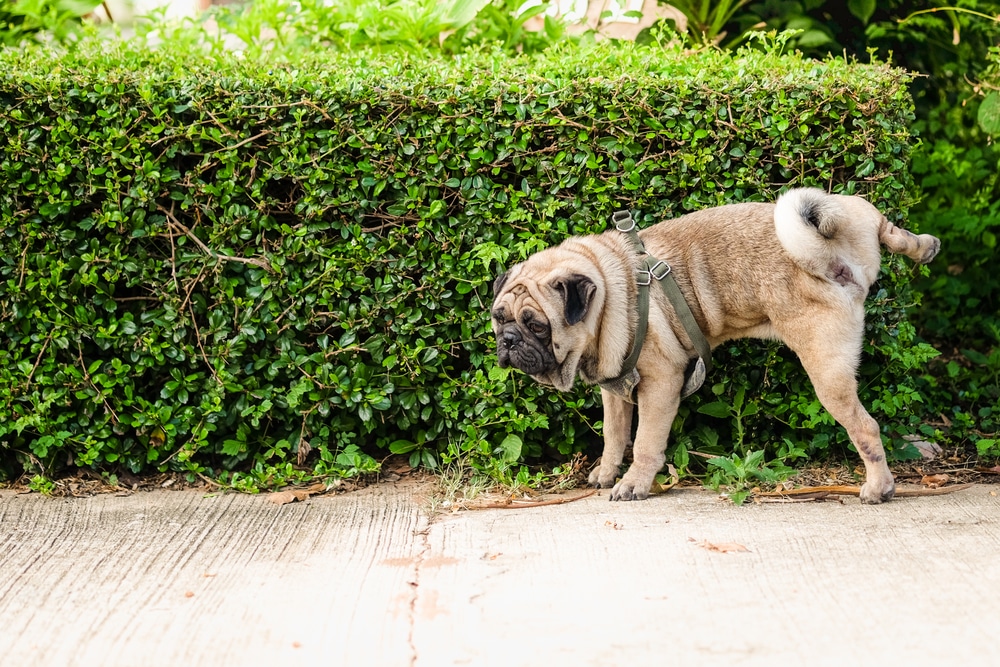
The urinary tract includes two kidneys, two ureters, a bladder, and a urethra. And the bacteria usually enters through the urethra and may spread to the bladder, ureters and kidneys.
Symptoms of Urinary Tract Infection in dogs
Here’s a list of symptoms to detect urinary tract infection in dogs:
- Blood in dog’s urine, or a pink tinge in urine
- Dog attempts to pass urine more frequently than usual
- Dog strains to pass urine but only passes a few drops
- Urine dribbling or urine incontinence
- Increased water intake
- Dog may display excessive licking of penis or vulva
- Strong or unusual urine odor
- Urinating in inappropriate places (even if potty-trained)
Treatment and diagnosis of Urinary Tract Infections in dogs – Bladder Infections – Cystitis
Your veterinarian may suspect a bacterial urinary tract infection based on any of the symptoms listed above.

In most cases, antibiotic treatment can fix the problem. Oftentimes, your veterinarian will prescribe the appropriate antibiotic based on these symptoms. But sometimes, when the problem is mild, home remedies are also available.
In addition to this, most lower urinary tract infections are not likely to recur on a regular basis.
However, it should be noted that any of the above symptoms may be caused by a number of other medical disorders. So it’s best to consult with your veterinarian to get the problem treated appropriately.
Taking a sample of your dog’s urine
For a more accurate diagnosis of urinary tract infection in dogs, a urine sample is sent to the laboratory for culture and sensitivity.
If an infection is present, the report will come back from the lab identifying which particular organism is responsible for the infection. And this report will advise the veterinarian which antibiotic will be best for that particular bacterial organism.
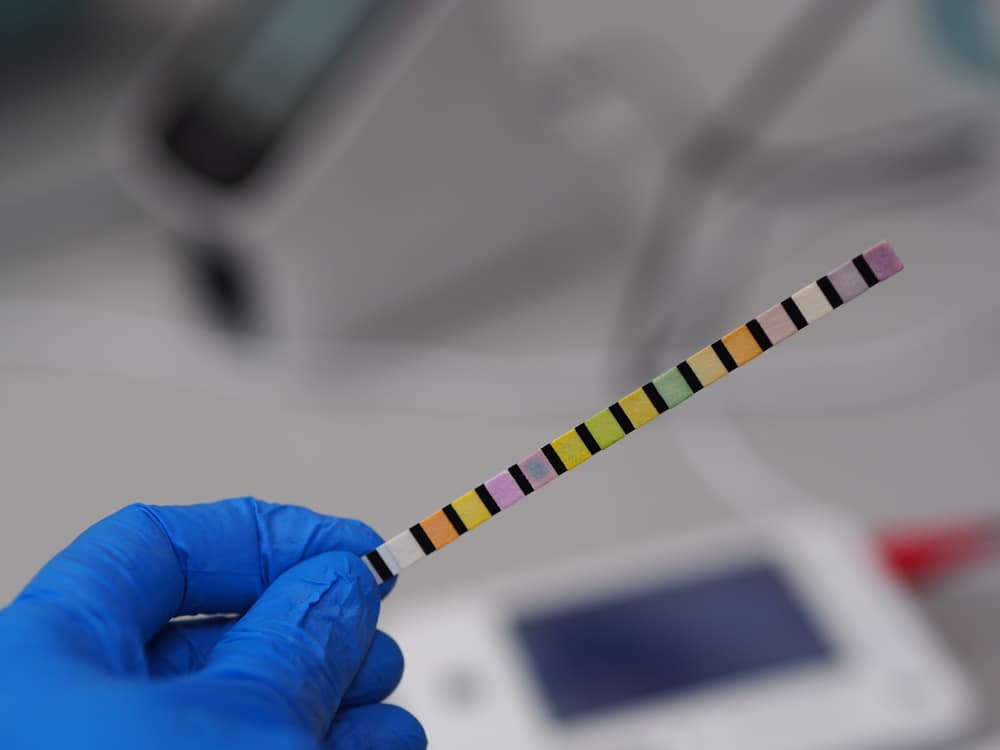
Furthermore, this urinalysis will also give your veterinarian more information to provide you with possible causes of the the bladder infection.
If your dog frequently suffers from Urinary Tract Infections, your veterinarian may need to do additional tests to check for any underlying cause.
Additional information regarding Urinary Tract Infections in dogs
Bladder Stones are a type of stone that can contribute to bacterial cystitis and infection of the bladder (or simply bladder infection).
Tumors of the bladder may contribute to bacterial urinary tract infection. And dogs with diseases such as diabetes and cushing’s disease have a greater proneness to Urinary Tract Infections.

In addition to that, dogs on cortisone drugs, which suppress the immune system, may also be be at risk of bladder infections
Bacterial urinary tract infections are more common in females because the urethra is shorter than a male’s. And it has a shorter distance to travel to cause harm.
Conclusion
Untreated Urinary Tract Infection in dogs can cause serious and life threatening health problems. Getting the right diagnosis from your veterinarian will help resolve these problems.