
“This post contains affiliate links, and I will be compensated if you make a purchase after clicking on my links.”
Pet therapy is growing substantially in popularity as an effective treatment option in the field of healthcare, and dog therapy is gaining a lot of traction.
Pet therapy is quickly becoming well-recognized as a conventional approach to caring for those in need of support and comfort. Many people suffering from illness, stress, depression, and anxiety experience a great deal of comfort from having a support dog. They also provide a wealth of benefits for seniors.
Here are some of the many benefits of pet therapy, as well as some recommendations for popular dog breeds for seniors.
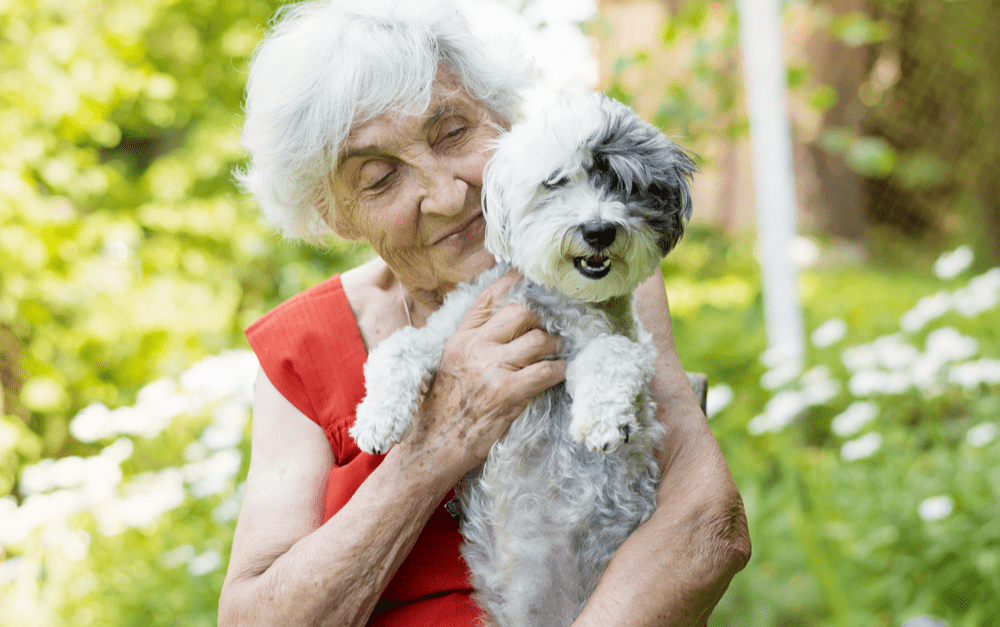
Alleviating loneliness
The risks and implications of loneliness through social isolation increase as we age. Additionally, seniors experiencing disability, long-term hospitalization, or chronic illness are even more likely to feel alone. Pet therapy can provide some crucial interaction and emotional connection for those feeling isolated or lonely.
Relief from anxiety
Research shows that touching and interacting with dogs releases hormones such as dopamine and beta-endorphin – feel-good hormones that can alleviate feelings of anxiety. Therapy dogs can therefore assist greatly in helping seniors with anxiety and other related mental health conditions to feel happier and counteract some of their symptoms.
Lowering stress
Cortisol is the hormone released into the body that is most commonly associated with stress, and therapy dogs can help seniors to lower their cortisol levels. Additionally, they also have the potential to increase serotonin production, another feel-good hormone – again, reducing stress and boosting feelings of well-being.
Supporting improvement in speech disorders
Seniors with dysarthria can benefit from interacting with their therapy dogs. Dysarthria is a speech-disorder condition in which speech muscles are weakened or hard to control, resulting in slow or slurred speech.
Since neurological disorders like stroke commonly cause dysarthria, it is often more prevalent in older adults. Therapy dogs can assist by improving a senior’s coordination and attention span, as well as making their therapy more engaging and fun.
Improving recovery time
Since interacting with animals in general (and therapy dogs in particular) releases key feel-good hormones, they also promote healing through feelings of increased well-being and lowered stress, allowing the body to recover more efficiently.
Supporting symptoms of dementia
Dementia is far more common in seniors, and its effects can be very challenging. People living with dementia can become agitated easily and quickly, making it stressful for all concerned. Since therapy dogs can be so effective at improving mood and reducing stress, they can provide significant benefits to those who have dementia, as well as their family and caregivers.
Lowering blood pressure
Cardiovascular disease is closely associated with high blood pressure, and these risks increase with age. Therapy dogs induce feelings of calm and relaxation through the release of feel-good hormones, which in turn can lower blood pressure.
Promoting increased socialization
People with dogs are more likely to meet and interact with new people. According to a Harvard study, they can be great for facilitating long-term wellness and improved health. Seniors with dogs are more encouraged to leave the house and interact with people, which is good for their well-being. They are also more likely to leave the house to go shopping for their pet, as well as stick to a moderate activity routine, both of which aid socialization.
Encouraging exercise
Seniors are at greater risk for reduced physical activity, so owning a therapy dog can be a great way to increase exercise. Loving and caring for a dog includes taking them outdoors for regular walks wherever possible, so seniors with therapy dogs are encouraged to get outside and take some exercise more regularly than they may otherwise do. Golden Retrievers are renowned for making great therapy dogs.
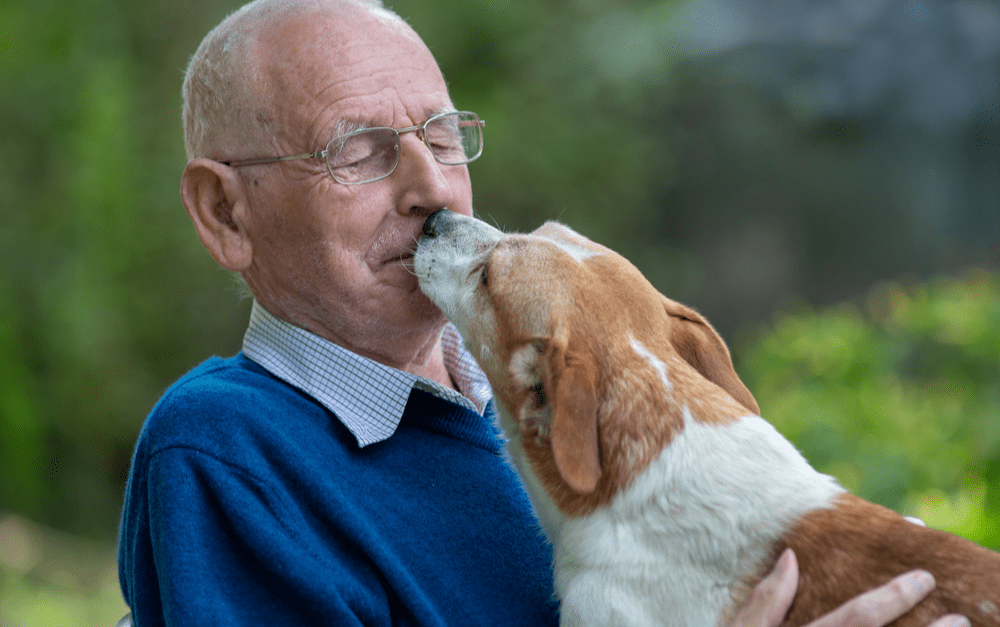
Best dog breeds for seniors
It is vital to consider what breed of dog is best suited to the needs and lifestyle of the owner, and this is particularly important regarding choosing a therapy dog for a senior. Size, strength, temperament, and general care requirements all make a big difference when it comes to compatibility between dog and owner.
Here are some popular dog breeds for seniors:
- Cavalier King Charles Spaniel – gentle, affectionate, and attentive, these dogs are small, sweet, playful, but also fairly athletic
- Maltese – these silky-coated dogs are playful and gentle and a great choice for anyone with allergies, as they don’t shed very much
- Shih Tzu – affectionate and loyal, Shih Tzu’s are great lap dogs and reasonably low-maintenance, but do require some grooming
- Pug – playful, affectionate, and a little mischievous, Pugs are small but strong and require little grooming.
- Chihuahua – comical and playful, Chihuahuas are small, low-maintenance dogs that are smart and highly trainable. They don’t fare well in cold weather, but do enjoy lots of cuddles
Final thoughts
There are so many benefits to seniors owning therapy dogs, particularly if they are suffering from any ill-health or struggling with loneliness or apathy. Ensuring that the compatibility between owner and dog is considered beforehand is essential, as the wrong pairing can prove stressful.
With the right match, a therapy dog can enrich the life of a senior and be a great source of comfort, companionship, and entertainment!
About the Author:
Emma is a professional writer and blogger, with two furry friends and a lot of pet behavioral and pet health knowledge to share. She has written for numerous big animal magazines and health sites, and is a regular contributor to The Catington Post.
























Carole
says:You didn’t mention Havanese