
“This post contains affiliate links, and I will be compensated if you make a purchase after clicking on my links.”
There are quite a large number of parasites that commonly plague dogs. Whether they live on your dog’s skin, beneath it, or as microscopic fungus, parasites can aggravate symptoms, or worse even cause your pooch to get seriously ill. Being able to recognize, treat, and prevent these parasites will greatly help you save your pup from any life-threatening medical condition.
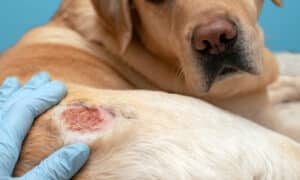
- Fleas. Fleas often cause intense itching that can result in acute allergic reaction, skin damage due to relentless scratching, hair loss, and hot spots. New flea medications often include tablets, spray, dab-on formula, or topical treatments that either kill the adult fleas or prevent their eggs from breaking open. To keep your pooch from getting infested by fleas, preventive measures like treating Fido’s environment thoroughly should be done. Flea infestation can be prevented by vacuuming your house, cleaning it with flea sprays and foggers, as well as washing your dog’s bed regularly.
- Ticks. Aside from causing hot spots, these bloodsuckers can also pass on infectious matters through their bite, causing illnesses like tick fever, Lyme disease, or ehrlichiosis. Use of tick prevention products such as Revolution, Frontline, BioSpot, and Advantix are especially formulated to prevent ticks. Another means to keep your pooch from getting infested by these insects is through the use of tick collars.
- Sarcoptic Mange. Another culprit of skin disorder in dogs is mites. These insects can cause sarcoptic mange, commonly known as scabies. The condition is often indicated by severe itching than can damage your pooch’s skin permanently. Canine scabies can be easily treated with prescribed medications such as sulfurated lime rinses, selamectin treatment, ivermectin shots or oral cures. To prevent mite infestation or recurrence, your dog has to stop mingling with infected dogs, his bedding has to be washed regularly, and your house kept clean at all times.
- Demodectic Mange. Canine mites can also lead to demodectic mange which is commonly indicated with “red-mange” flare-ups on the pup’s face or legs. Although, a few number of these parasites on Fido’s skin is often regarded normal, when its population increases, the disease can result in hair loss, serious skin sores, or worse, death. The condition can be readily resolved with dips, shampoos, and topical medications. It is, nonetheless, not preventable. The mites are often transmitted directly via mother to pup. If the young pooch has a weak immune system, the mites will overpopulate; thus, causing the infection. Once his natural resistance is strengthened, the mites will reduce in number.
- Ear Mites. These are creepy crawling insects that live in a dog’s ear canals; often biting and causing intense itchiness. Ear mites can result in inflammation that can lead to ear infections. The condition is usually treated with prescribed medications. Professional ear cleaning may also be necessary if Fido’s ears have debris build-up. Prevention, on the other hand, often involves ear-cleaning on a monthly basis, as well as cleaning your pooch’s bedding thoroughly.
While common canine parasites are never completely unavoidable, preventative measures can be taken to keep them at bay. At the first sign of any of these creepy-crawlies, take action! What starts as a simple solution can turn into a costly and life threatening illness for your dog if not handled in a timely manner.
Look for Recognize, Treat & Prevent These Canine Parasites: Part 2, coming soon!





















There are safe, non-toxic ways to handle almost all these conditions. Owners have many effective options without running to the vet every time their pet has a problem. Toxic pesticides can be replaced with Diatomaceous Earth for flea control, natural mite control products like Mite Avenge safely treat Demodectic and Sarcoptic mange without the use of risky drugs like Ivermectin and ear mites can be dispatched with olive oil, or essential oils in a carrier oil.