Through the course of their lives most dog owners have to face the death
of a beloved dog. The sad fact is that our treasured companions do not
live as long as we do.
Western cultures do not allow for much expression of grief, and death is
often considered a taboo subject for discussion. Many people, even our
closest friends, feel uncomfortable about talking to us about our
losses. Because of this, we are sometimes most alone just at the time we
most need support. This applies especially for the death of a pet, as
our society often does not acknowledge loss of a companion animal to be
a significant cause for grief. With this article, it is hoped that
learning about factors involved in the pain of grief may help to accept
that loss and grieving are a normal part of our lives, that the grief is
real, valid, and appropriate and that your pain can be expressed to
others. Then can begin the process of healing and building new
relationships.
What are grief, bereavement and
mourning?
Grief can be defined as an emotional response to a perceived loss. It
does not have to be the response to death. In fact, as I will discuss
later, grieving usually involves the loss of many different things. This
article concentrates on grief from the death of a dog, and losses
associated with that death. Bereavement refers to a state that follows a
loss, which may be from death, loss of employment, or marriage. Culture
usually determines what is considered appropriate reason for
bereavement, and pet loss is not usually included. Mourning is the
outward expression of loss, including rituals and customs.
For most people, the first loss of a loved one can be the strongest and
most overwhelming experience they have had. Its very intensity can be
frightening and seem uncontrollable.
Normal Grief
It is commonly expected that a death will lead to grief. Many people
will have heard about different stages of grief suggested by Kubler-Ross:
denial, anger, bargaining, depression, and acceptance. These days it is
thought that grief does not necessarily follow any set pattern, and some
of these stages may not be present at all. It has since been suggested
that typically, the period of bereavement includes 4 phases of shock and
numbness, yearning and searching, disorganization and despair, and
reorganization.
Grief usually has many components including physical and emotional
distress, preoccupation with thoughts of the deceased, and disruption to
daily living.
Complicated grief
Grief may be complicated for many reasons, and may make it harder to
resolve your feelings. This may occur if you have other unresolved
losses where you were unable to express your feelings honestly, you have
little social support, there was a particularly complex or ambivalent
relationship with the deceased, feeling guilt, where the death was
untimely. Also both deaths that are sudden and unexpected, and deaths
that occur after long illnesses can lead to complicated grief. There can
be many other factors also.
Anticipatory grief
Grief does not necessarily begin with the death of a dog. You may have
started well before your dog actually died, and the death itself may
actually bring about an initial feeling of relief. This is particularly
the case with a long and difficult illness, when you have had warning
that your dog is likely to die. However, it does not mean you will feel
less pain when the actual death occurs.
Getting through grief and moving on
Worden, a prominent researcher in the field of grief, has identified 4
major tasks involved in moving through the process of loss.
* To accept the reality of the loss
* To experience the pain of loss
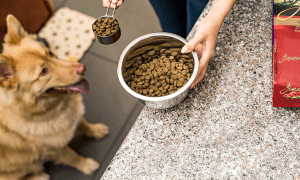
* To adjust to an environment in
which the deceased is missing. This definitely takes time. So many of
our thoughts and actions are automatic – we assume that things remain
the same. It can be a shock each morning to realize that there is no
need to refill the food bowl.
* To withdraw emotional energy and
reinvest it in other activities. This may involve considering getting
another dog.
Why does it hurt so much? How much have you
actually lost?
Certainly, not all people react to the death of a dog in the same way.
Each person, each dog and each relationship is unique and has unique
components. Loss does not involve simply the physical presence of the
dog. The psychosocial benefits of living with a dog are well documented
and include social support, companionship, an increased sense of our own
worth and the emotional bond we have with our dog. These are part of
what you are grieving. You will be reminded of the special things you
did with your dog by their absence. The losses may not be tangible –
they may be the emotions that your dog elicited from you. You may have
lost the good feeling you had when your dog put his head on your lap, or when
he wagged his tail at the sound of your voice. The laughter that came when he did
something silly, and the assistance you received when weeding the garden. The
warm feeling when you arrived home to find him waiting at the door to
welcome you. So the degree of daily interaction you had with your dog
will influence the number of losses, and therefore the degree of grief.
Guilt
This merits a paragraph of its own, due to the significant role it has
in making a normal grief complicated. We are very good at “beating up on
ourselves” when we are feeling low. There may have been aspects or
decisions that we may have made differently with the benefit of
hindsight, that had an impact on our beloved dogs life or death. The
only useful thing that can be done is to learn from the experience for
the future. We need to be kind to ourselves at this time. We are all
fallible humans, and do the best we can to get through our lives. Some
people can feel relief with the death of their dog after a long illness,
and experience guilt because of this. Again, this is perfectly normal.
Some people feel guilt if they think they are grieving more for a loved
dog than for a human they have lost. There are no rules about how much
we should grieve – these sorts of “shoulds” are not helpful either. For
ourselves, we should not minimize how much the dog means to us.
Special features of grief with companion
animals
All grieving is painful, and for those of us whose dogs are an integral
part of our lives, the loss of a dog is not different that the loss of a
close friend. However there are some aspects of pet loss that are not
common with the loss of a human, and some of these may make your loss
more difficult to deal with.
* Loss of a dog may often involve
decision making about when to end the life. How comfortable you are with
the decision will affect how you grieve. As mentioned above, guilt can
play a role with how the decision was made, and can either be a comfort
or a source of guilt depending on how you feel about your actions. This
decision can be a terrible dilemma for some people. “Did I make the
decision quickly enough? Did I let him suffer? Should I have let her
keep going? Did I give in too quickly?” are common questions that
grieving dog owners may ask themselves? Sometimes guilt may revolve
around the financial aspects of veterinary care – “was I unwilling to
pay large vet bills?” However euthanasia is the most loving gift for a
dog that is suffering, has lost his quality of life and has no chance of
improvement.
*Another aspect is the simple fact
that we gain so much support from our canine friends – they can be a
source of unconditional love that will help us through our difficult
times – and not only do we have to deal with the loss of the dog
herself, but her support is no longer there to help us.
* Not all people around us
appreciate the integral role that a beloved dog may have in our lives.
There may be some around who may minimize your loss, and expect you to
get over your grief more quickly than you are ready to. This may also
include employers who do not appreciate the degree of pain you are in.
Ensure that you seek others who value their companion animals as you do,
and who can allow you to express your feelings honestly. There are many
who feel as you do.
* Another factor is that while the
ritual of a funeral marks the death of a human loved one, losing a dog
does not have such a custom. Rituals have important functions in
allowing the bereaved to proceed to acceptance by acknowledging your
loss in a supportive environment.
Allow yourself time and tears. Don’t overburden yourself with difficult
tasks – your concentration may be decreased. It is also important to
attend to yourself in the simple matters of daily living. Ensure that
you continue to maintain a balanced diet. Avoid excessive alcohol or
drugs. As you are in a stressed state, you are more liable to pick up
colds and flu, as your immune system is weakened. Avoid making important
decisions while you are in a vulnerable state.
What can I do to feel better?
There is no magic pill that can remove the pain completely. With time
the feelings will become less intense. However there are activities that
may help you to focus on the happy memories you shared. Some people find
the following useful:
* Writing poetry or a letter for
your dog to express your feelings for him or her * Arrange photos in a special album * A memorial page on the web (if you
don’t have a web page of your own, there are specific sites that welcome
photos and poetry to memorialize your dog). * Joining a email group – there are
several that provide support from people who have also lost their dogs * Have your own ritual. Invite
like-minded and supportive people to share in memories of your dog. * Plant a rose or tree for your dog * Sponsor an animal in the zoo in
memory of your dog * Read a self-help book. There are
many available on grieving * If your grief is overwhelming and
causes major disruption to your daily life over a long time, consider
seeking help. There are counsellors and psychotherapists who are
sensitive to the needs of people who are grieving for their pets.
However ensure that they have the same qualifications you would expect
for grief counselling for humans (eg psychologist, social worker,
counsellor of professional association).
The new dog in your life
The decision when, or whether to get another dog is a very personal one,
and should be done in your own time when you feel comfortable. It should
not happen when another well-meaning person thinks it should happen.
Again, there is no “right” or “wrong”. You may feel ready soon after you
lose your dog – this may be the case if your dog had a long illness and
your grieving started long before the death. Ensure that you feel happy
with the timing – some well-meaning people may try to give you a dog or
puppy in order to replace your previous dog. Others may try to talk you
out of getting a dog when you feel ready.
You know best.
Some people find themselves preoccupied with the health of the new dog,
with fears of his or her death. This is quite normal as the pain is so
fresh for you, it is natural that you are anxious that you may
experience it again soon. Again, this will become less intense over
time.
The path through grief is never easy. Each of our dogs is unique and
irreplaceable. However as life and death are two sides of the same coin,
so are love and grief. Make life easy for yourself until you can
remember your loved dog with more smiles than tears, and you know the
time is right to begin a new, unique and perfect bond with another, who
will benefit from the caring person you are.
Here I
have included a well-known poem that many people find helpful when
thinking of their pets who have died.
Just this side of heaven is a place called Rainbow Bridge.
When an animal dies that has been especially close to someone here, that
pet
goes to Rainbow Bridge.
There are meadows and hills for all of our special friends so they can
run and
play together.
There is plenty of food, water and sunshine, and our friends are warm
and
comfortable.
All the animals who had been ill and old are restored to health and
vigor; those
who were hurt or maimed are made whole and strong again, just as we
remember
them in our dreams of days and times gone by.
The animals are happy and content, except for one small thing; they each
miss
someone very special to them, who had to be left behind.
They all run and play together, but the day comes when one suddenly
stops and
looks into the distance. His bright eyes are intent; His eager body
quivers.
Suddenly he begins to run from the group, flying over the green grass,
his legs
carrying him faster and faster.
You have been spotted, and when you and your special friend finally
meet, you
cling together in joyous reunion, never to be parted again. The happy
kisses
rain upon your face; your hands again caress the beloved head, and you
look once
more into the trusting eyes of your pet, so long gone from your life but
never
absent from your heart.